
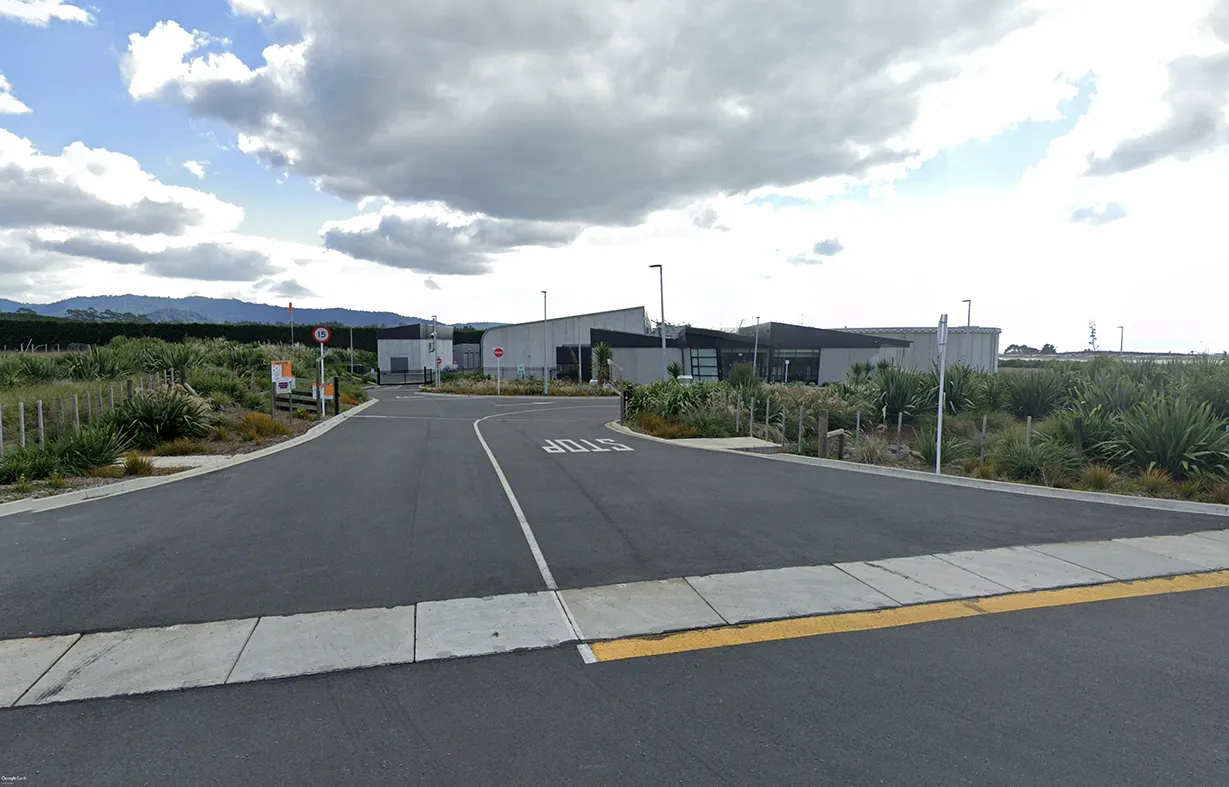
In the heart of New Zealand’s Western Bay of Plenty, the Waiāri Water Treatment Plant stands as a testament to forward-thinking infrastructure designed to meet the demands of Tauranga’s rapidly expanding population.
Officially opened in March 2023, the Waiāri Water Treatment Plant is a state-of-the-art facility that is not just a water treatment plant, but also a cornerstone of sustainable urban development, ecological stewardship and community collaboration.
Adapting to growth
Tauranga experienced significant population growth in the five years from 2018 to 2023, according to census data. Flows in the source water streams that have been proving a reliable source of water to Tauranga City for more than 30 years also began trending downward from late 2019 due to historically low rainfall. Projections showed that without additional water infrastructure, the region would face significant pressure on its existing water resources, particularly in summer. The Waiāri Water Supply Scheme was conceived to address this challenge, ensuring a reliable and sustainable water supply for Tauranga and the wider Western Bay of Plenty region.
The scheme included the development of a water abstraction facility on the Waiāri Stream, a water treatment plant at Number 1 Road in Te Puke, raw water pipelines from the abstraction point to the treatment plant, a microfiltration water treatment plant and a treated water reservoir, a waste handling plant, and an underground pipeline extending around 20 kilometres to Pāpāmoa. This infrastructure not only caters to the immediate needs of the Pāpāmoa and Te Tumu growth areas, but also provides a backup for the Western Bay of Plenty District Council’s Te Puke water supply.
Site challenges
Fulton Hogan was engaged by Tauranga City Council to deliver the Waiāri Water Supply Scheme, with Beca appointed to provide engineering services for the consent, design, and construction of the intake and water treatment plant.
Challenges of construction included the site’s location in a steep valley. An access road was required on the western side of the valley, and the construction of a mechanically stabilised earth wall was needed to stabilise the terrain, and provide safe access for construction and future maintenance. A DuraMesh-reinforced soil system was installed and executed by HEB Construction.
Collaboration with various suppliers was required to source materials that would withstand the plant’s operational demands, including Treadwell Group, which supplied fibreglass-reinforced plastic grating for the Waiāri Water Treatment Plant’s walkways and platforms. This material choice was crucial, given the plant’s exposure to chemicals and harsh weather conditions, ensuring longevity and safety.
Sustainable design
The Waiāri Water Treatment Plant is not only a feat of engineering, but also a model of sustainable design. The facility incorporates solar photovoltaic panels to harness renewable energy, reducing its carbon footprint and operational costs. These were designed and installed by McKay to create a 120-kilowatt-capacity photovoltaic system. The solar system is in addition to electrical components and a 750-kilovolt-ampere backup generator with an automated transfer system to ensure uninterrupted power supply. Additionally, the plant’s design emphasises water conservation and efficient resource management, aligning with Tauranga City Council’s commitment to environmental stewardship.
Community collaboration
A significant aspect of the project’s success lies in its collaborative approach with local iwi. The council worked closely with mana whenua to ensure that the plant’s development respected cultural values and environmental principles. This partnership led to the adoption of the Mauri Model, a decision-making framework developed in collaboration with local iwi to assess the impact of projects on the health and vitality of the local ecosystem.
Looking ahead
The completion of the Waiāri Water Treatment Plant marks a significant milestone in Tauranga’s infrastructure development. It not only addresses the immediate water supply needs of the region, but also sets a precedent for future projects that prioritise sustainability, cultural respect and community engagement.
While the new treatment plant eases pressure on water supply in Tauranga, careful management of precious water resources is also key. Implemented in 2021, the Water Watchers Plan provides residents and businesses in the region with clear guidelines on how to manage water consumption. Grouped into months, the plan provides information such as when water blasters and sprinklers can be used, and for how long.
As Tauranga continues to grow, the lessons learned from the Waiāri Water Treatment Plant will undoubtedly inform the development of other essential infrastructure projects, ensuring that the city’s growth is both sustainable and inclusive.