
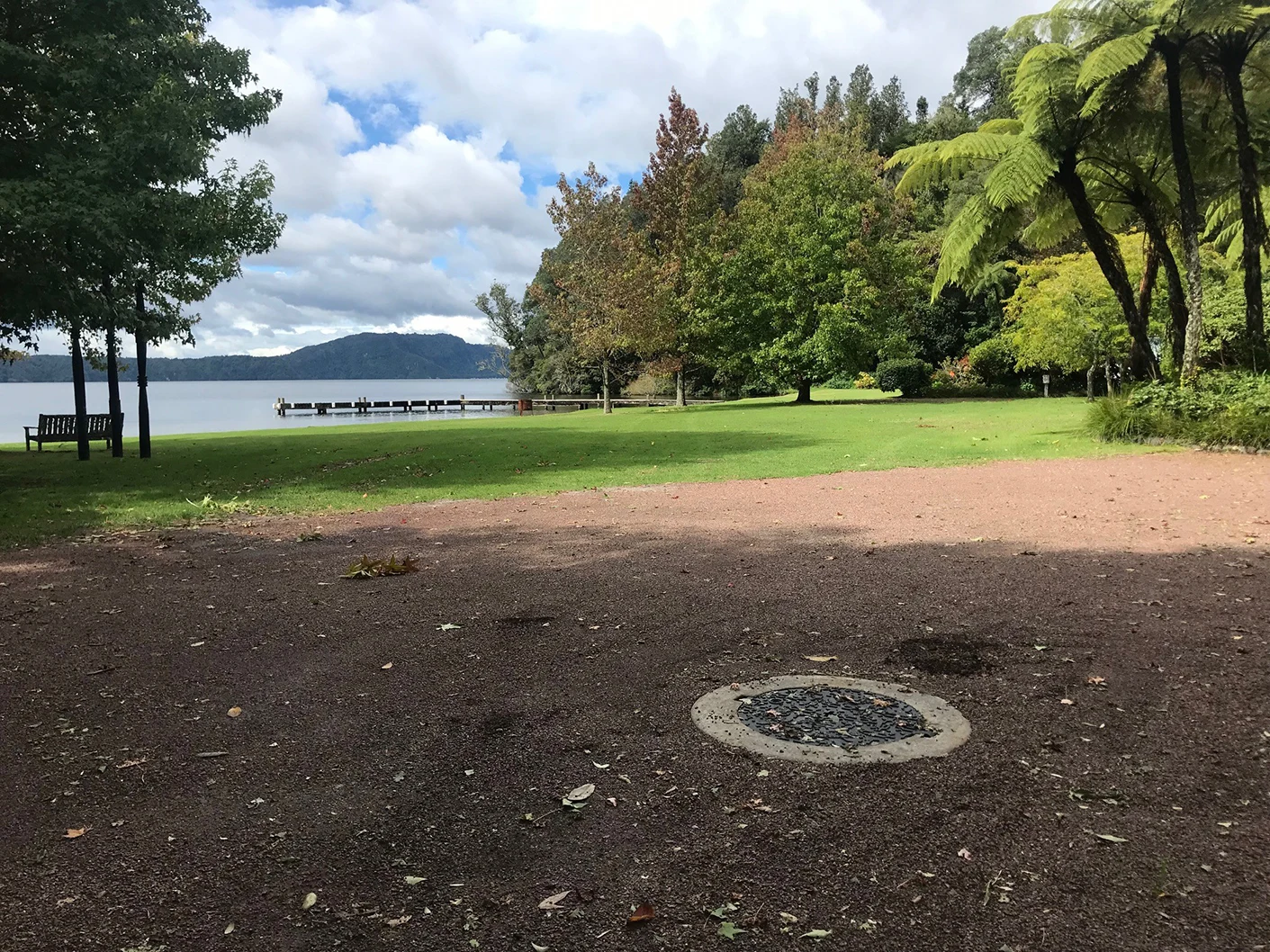
In a step towards environmental preservation and sustainable development, Fulton Hogan, in partnership with Rotorua Lakes Council, has embarked on a project to help protect the waters of Lake Rotoiti.
The Lake Rotoiti Onsite Wastewater Treatment Project represents investment in Lake Rotoiti’s ecological future and is a testament to the council’s commitment to protecting a treasured natural asset.
Fulton Hogan’s Executive Divisional Manager for Rotorua, Ken McLeod, explains that the project aims to address the longstanding issue of septic tank effluent contaminating the lake, which has been a growing concern for local residents and environmentalists. The project involves the replacement of the contamination-causing septic tank systems with new environmentally focused, onsite wastewater treatment systems.
‘The project is more than just an infrastructure upgrade; it is a statement of the community’s commitment to environmental conservation,’ says McLeod. ‘It reflects a collaborative effort between Rotorua Lakes Council, Fulton Hogan and the local community, all working towards a common goal of preserving the natural beauty and ecological integrity of Lake Rotoiti. Fulton Hogan has been fully involved in the project from the preconstruction stage with property owners through to now, and ongoing throughout the 15-year maintenance period,’ says McLeod.
Since 2021, Fulton Hogan has been sourcing, installing and maintaining onsite wastewater management systems for 424 residential properties, as well as for marae, sports clubs, hospitality venues and businesses. Central to these wastewater management systems are worms, which help break down matter at each site, leaving only liquid to be pumped to the Rotoiti Wastewater Treatment Plant.
Following client and iwi consultation in 2021, Rotorua Lakes Council accepted Fulton Hogan’s proposal to fit each dwelling with a new Biolytix BF2 EcoPod and to decommission the existing septic tank systems. This solution enables the disposal of wastewater in a way that is environmentally and culturally appropriate, technically robust, and responsive to the increasing number of weather events causing inundation.
The Biolytix EcoPod system uses natural processes to treat effluent to minimise the environmental footprint. This approach helps ensure the effective treatment of wastewater and promotes biodiversity.
The approach taken has been pivotal in implementing a nature-based wastewater treatment solution that aligns with the council’s vision of sustainability and environmental stewardship.
‘The core of the project involves the removal of existing septic tanks, which have been identified as a significant source of nutrient pollution in Lake Rotoiti,’ says McLeod. ‘These tanks are often outdated and inefficient, posing a threat to the lake’s water quality’ and contributing to algal blooms and other ecological imbalances. By replacing these systems with a Biolytix EcoPod system – an advanced, nature-based treatment solution – the project aims to restore and maintain the lake’s health for future generations.
‘The Biolytix EcoPod system mimics nature by having tiger worms and microorganisms convert the solid material to liquid, naturally aerating it in the process, assisted by a mechanical aerator,’ says McLeod. ‘The low-energy EcoPod system removes the majority of wastewater contaminants, leaving a liquid to be pumped to the wastewater plant.’
Fulton Hogan’s role extends beyond the installation phase, with a comprehensive 15-year operation and maintenance component aimed at ensuring the long-term success and sustainability of the project. This commitment underscores the importance of ongoing maintenance and monitoring to adapt to changing environmental conditions and technological advancements.
As the project progresses, it may serve as a model for other regions facing similar environmental challenges.
McLeod says that the Lake Rotoiti wastewater treatment project is an example of how infrastructure development can work in harmony with the goals of environmental conservation.
‘The project addresses a critical environmental issue and sets a precedent for future initiatives aimed at preserving New Zealand’s natural heritage. This project is a source of pride for all involved and a step towards a cleaner, healthier future for Lake Rotoiti and its surrounding communities.’
The Lake Rotoiti Onsite Wastewater Treatment contract is part of Fulton Hogan’s wider contract arrangements with Rotorua Lakes Council for reactive maintenance and renewals on 450 kilometres of reticulation system.