
For generations, lakes and rivers were lively destinations for swimmers and fishers, and thriving biodiversity meant that the water that flowed was safe as community drinking water. Unfortunately, that is not the reality for many communities today.
Aotearoa New Zealand’s waterways are degraded and dying. More than half of the lakes and rivers across the country are of poor or very poor quality. Rural communities are drinking water that is contaminated with nitrate.
Greenpeace Aotearoa has spent the past three years running an in-person and mail-order drinking water testing program for nitrate contamination. We have run more than 20 events across the country to test the quality of drinking water, and found high levels of nitrate contamination in many rural communities – particularly in Canterbury.
Internationally, studies have shown that drinking water containing levels of nitrate as low as one milligram per litre can be associated with an increased risk to users of developing bowel cancer from long-term exposure. At five milligrams per litre of nitrate, there is an increased risk of pre-term birth for pregnant people who drink this water. The New Zealand College of Midwives has advised that pregnant people should seek an alternative water source if their drinking water is over this level. And at 11.3 milligrams per litre of nitrate – the current maximum allowable value of nitrate in drinking water in Aotearoa – there is a risk of infants developing potentially fatal blue baby syndrome if they are fed formula mixed with contaminated drinking water.
Off the back of this testing in late 2023, Greenpeace launched the Know Your Nitrate map. It’s an interactive map that highlights nitrate levels for local town supplies, and also the average nitrate level for a 10-kilometre radius for bore water supplies. As nitrate contamination in private bores differs significantly from one bore to another, the only way for a household to know the nitrate level of their drinking water is to get it tested, but the map provides an indication of nitrate levels in the area as a starting point. .
So, how do we fix the nitrate contamination crisis?
In order to fix the nitrate contamination crisis in New Zealand, two things need to change. First, the maximum allowable value of nitrate in drinking water needs to be lowered to one milligram per litre – the threshold above which health risks increase. This takes a precautionary approach to addressing the very real risks associated with nitrate contamination in drinking water, and means that local and regional councils must ensure that their water supplies test below the maximum allowable value.
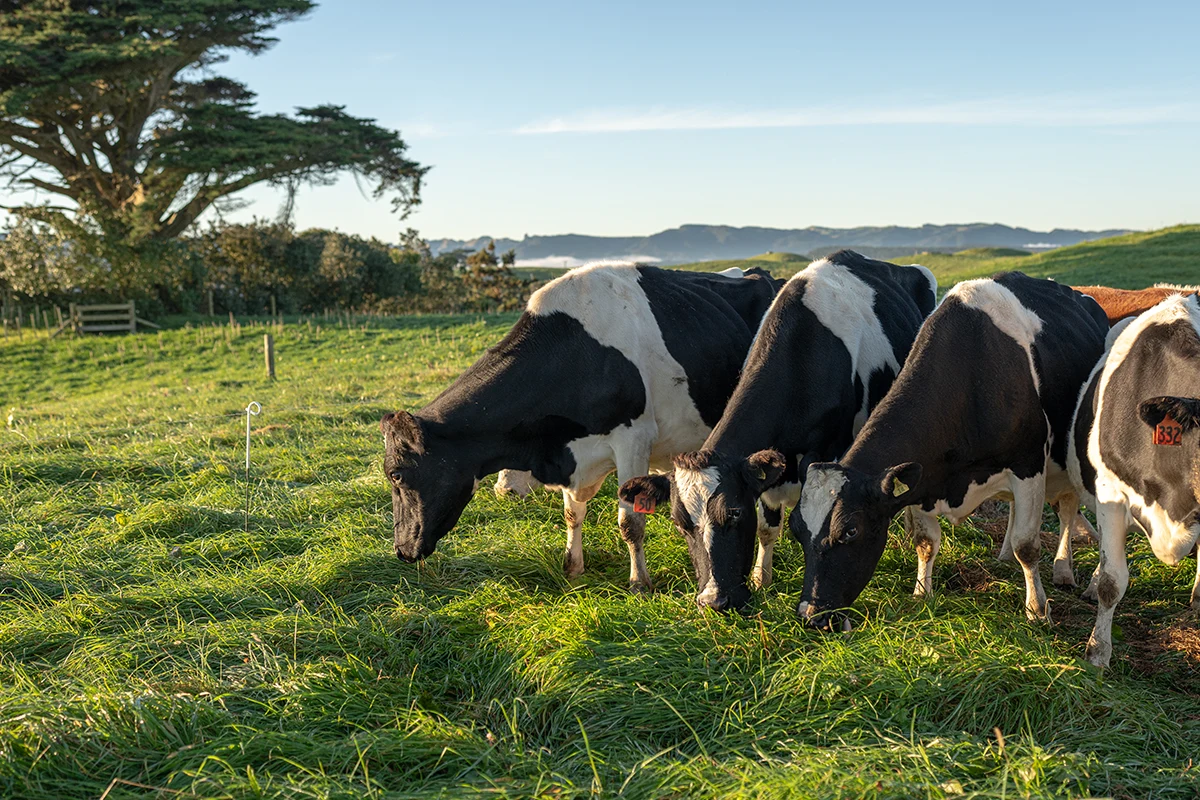
But to actually prevent nitrate contamination, we need to stop the pollution at the source. That means reducing the use of synthetic nitrogen fertiliser through a sinking cap policy – either at a national or regional government level. It also means reducing the number of dairy cows on the land, especially in places like Canterbury, where the loose, stony soil means nitrate contamination can make its way into the water table with ease.
A revolutionary concept? Te Mana o Te Wai and New Zealand’s freshwater protection laws
For centuries, the health of water in Aotearoa has been neglected, with successive generations of New Zealanders opting to prioritise polluting industries at the expense of all else. Now, 45 per cent of rivers are unswimmable and many communities cannot access safe drinking water. Fresh water in New Zealand is in crisis.
Freshwater advocates have been campaigning on this issue for a number of years, and that’s why the new National Policy Statement for Freshwater Management 2020 took several steps to address freshwater pollution. The main way it did this was by putting the health of fresh water as the top priority for all decisions related to water use.
It did this through a hierarchy of obligations known as ‘Te Mana o Te Wai’. This is a world-leading concept around the protection of fresh water, which was initially introduced in 2014 by the John Key Government as part of a National Policy Statement for Freshwater Management. It’s since been improved upon by subsequent National Policy Statements under the previous Labour Government, to the extent that it is now the main consideration for freshwater management.
Te Mana o Te Wai states that the health of fresh water must be the first consideration for all decisions related to use of fresh water. Following that, governments, councils and consent applicants must consider the health of communities, including their access to clean, safe drinking water. Finally, other uses of water can be considered, including commercial use.
Since Te Mana o Te Wai was introduced, the concept has been successfully used to prevent developments that would actively harm freshwater ecosystems, and prevent people’s access to safe and adequate drinking water. The concept works and, over time, will lead to the restoration of healthy waterways in New Zealand. But it is now under threat.
Fresh water under attack
The New Zealand Government is looking to remove all requirements for consent applicants to comply with Te Mana o Te Wai through a new piece of legislation that had its first reading in parliament at the end of May. To add insult to injury, when regional and local authorities are considering consent applications, they won’t even be allowed to make a decision on the basis of the hierarchy of obligations that Te Mana o Te Wai has put into place.
This legislation is a temporary measure, put in place while the government looks to change the National Policy Statement for Freshwater Management, a process that takes 18–24 months if done properly. Given the temporary move to disregard the health of fresh water and drinking water, we can only assume that through amending the National Policy Statement for Freshwater Management, they’re looking to make this move permanent.
What will this mean for drinking water contamination?
Nitrate levels in New Zealand’s drinking water will only get worse before they get better. It takes several years for nitrate to filter through soil and end up in the water table. That means that even if we stopped all inputs of nitrate right now, it would be several years before we saw improvements in drinking water quality.
No government has successfully put in place regulations to substantially reduce nitrate inputs, but the National Policy Statement for Freshwater Management started reducing them somewhat by introducing a cap on the amount of synthetic nitrogen fertiliser allowed on farms. While we still believe that this cap is far too high, it’s a start at regulating the intensive dairy industry’s ‘growth at all costs’ agenda.
We’re seeing a national government move to roll back any regulation that restricts dairy industry growth. When the intensive dairy industry is the main source of drinking water pollution for rural communities, this shift in policy will have only one result: more contaminated drinking water.
Greenpeace will continue to offer free mail-in water testing, and to advocate for the nitrate maximum allowable value to be lowered to one milligram per litre of nitrate, to ensure healthy water for all. We will also continue to call for action to regulate the source of nitrate pollution: synthetic nitrogen fertiliser, and New Zealand’s oversized dairy herd.
You can view the Know Your Nitrate map at greenpeace.nz/nitratemap.
For more information, visit https://greenpeace.nz/protectfreshwater.