
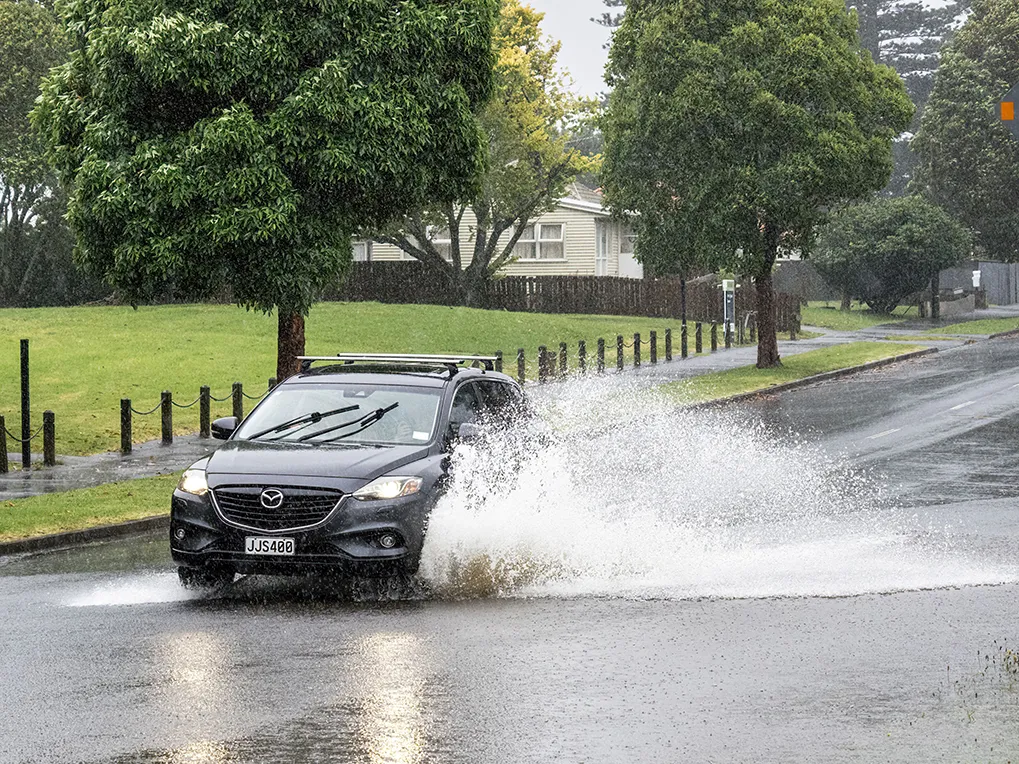
In early 2023, Tāmaki Makaurau experienced devastating storms that disrupted lives, damaged thousands of homes, resulted in six tragic deaths and exposed the growing reality of climate change. For many, these events were a turning point – and the realisation that flooding is no longer an occasional hazard, but an ongoing risk that demands a coordinated, long‑term response.
Making Space for Water is Auckland Council’s long-term programme to reduce flood risk and strengthen resilience across the region. It combines infrastructure upgrades, nature-based solutions, smarter planning, new tools, and community engagement to help Auckland adapt to a changing climate.
Making Space for Water is one of the largest stormwater resilience investments in the region’s history. It is supported by a landmark funding agreement with central government for the Category 3 property buyout process developed after the 2023 storms.
For us, it’s more than a programme – it’s a partnership with Aucklanders. While progress has already and continues to be made since 2023, we understand that for those living with the impacts every day, it can still feel slow; however, it is clear that only through collaboration and long-term commitment can we create a Tāmaki Makaurau that thrives in a changing climate.
Why Making Space for Water?
Flooding is one of the biggest challenges that Auckland faces, and the council is making a coordinated effort to minimise the impact that factors such as urban sprawl and increasingly intense storms have on flood risks.
Many urban streams have been narrowed or piped, reducing their capacity to cope with heavy rain. Overland flow paths are often blocked or hampered by fences, sheds or landscaping. In rural areas, limited infrastructure and vulnerable road networks can leave communities isolated during severe weather.
Making Space for Water takes a coordinated approach to these challenges that goes beyond traditional engineering. It is guided by four objectives:
- Reduce existing flood risk for people, property and infrastructure.
- Enhance stormwater system performance through upgrades and maintenance.
- Raise awareness so that Aucklanders understand their flood risk and how to be prepared.
- Strengthen readiness for future storms through data, planning and partnerships.
The programme delivers seven targeted initiatives, each addressing a different aspect of flood resilience, with Māori outcomes, sustainability, communications and engagement underpinning every initiative.
Making Space for Water’s seven initiatives:
1. Blue-green network projects
These flood-resilience projects create new blue-green corridors in high-risk flood areas, so water can flow safely during storms, diverting it away from homes and infrastructure. In dry weather, these areas provide valuable green spaces for communities to enjoy.
The work includes upgrading bridges and culverts to handle greater volumes of water and reduce blockage risks. Projects are co-designed with mana whenua to embed cultural values and mātauranga Māori, ensuring solutions are both resilient and culturally grounded.
Recent milestones include:
- Harania and Te Ararata creeks, Māngere: Both projects began construction in April 2025. When completed, they will reduce flood levels for around 300 homes, including more than 50 previously assessed as facing intolerable risk to life.
- Clover Drive, Rānui: This project is currently in design and is being developed with insights and feedback from local residents. It will increase the flood resilience of the Momutu/Swanson Stream areas, replace the Don Buck Road bridge and create a new blue-green corridor that extends to Paremuka Stream.
- Wairau catchment, North Shore: A three-stage project that combines natural stormwater storage with connected waterways and recreational spaces. Stage 1 will restore a wetland at A F Thomas Park, increasing how much stormwater it can hold from 60,000 cubic metres to 550,000 cubic metres. This wetland will be supported by dry detention areas, which can be used for recreation most of the time. Later stages will enlarge detention ponds, widen and daylight streams, including Wairau Creek, and upgrade stormwater infrastructure along Wairau Road.
Early design is also underway for projects at Whangapouri Creek, Pukekohe and Te Auaunga Stage 2, Mount Roskill, with future potential sites identified for Whau and Ōpanuku streams.
2. Stream and waterway resilience
Healthy streams are essential for managing stormwater effectively. Many urban streams have been modified, often reducing their capacity to manage heavy rain. This initiative takes a catchment-wide approach, using LiDAR mapping and field assessments to understand how streams are working, where they’re under pressure, and how we can strengthen their role in managing stormwater to reduce flooding and support healthier ecosystems.
Recent work includes detailed stream assessments in the Whau River, Pakuranga Creek, and Cockle Bay catchments, with work starting in Swanson, Ōpanuku, Oakley, Whenuapai, and Tāmaki North.
3. Increased maintenance
Keeping the stormwater network working optimally is critical during heavy rain. Over the past year, maintenance crews inspected and cleared thousands of manholes, key culverts and major blockages from 136 kilometres of streams. A new mobile inspection app now allows real-time logging of the condition of assets, improving response times and planning. We have also started installing safety grills on manholes in high-risk areas, adding an extra layer of protection for the public during floods.
4. Flood intelligence
Fast, accurate data improves our ability to be prepared. Flood intelligence is about strengthening existing systems to track rainfall, monitor flood-prone areas and predict impacts. Highlights include installing 50 solar-powered cameras at key asset sites to detect blockages (with another 50 to be installed); sharing real-time stormwater data with Auckland Emergency Management; and piloting flood prediction tools using radar and data from overland flows.
5. Overland flow path management
Overland flow paths are the routes water will naturally follow over land when pipes are full, blocked or don’t exist, especially during larger rainfall events. When these paths are obstructed, water can back up into buildings and onto roads.
Auckland Council has assessed more than 2000 properties in priority catchments, providing tailored advice to residents on simple fixes to reduce flooding risk, with a strong focus on education over enforcement. A new field app ensures that data can be captured more easily and consistently, meaning faster reporting.
6. Community flood resilience
Flood resilience is a shared responsibility. This initiative builds community capability through education, partnerships and practical tools. Key achievements so far include:
- Flood Viewer: a free online tool showing property flood risk, accessed over 1.3 million times since it was launched in August 2023. It now includes video explainers, sign language and multilingual resources
- Community partnerships: working with 15 local organisations to share flood risk advice and run events, from stream clean-ups to workshops in their communities
- Face-to-face engagement: displays of education collateral in all 51 Auckland libraries, outreach at major events like Mystery Creek Fieldays, and collaboration with tertiary institutions on sustainability education.
7. Rural settlements infrastructure
Rural communities face different challenges – many do not have piped stormwater systems, and rely on private water supply and wastewater systems. Some marae and community halls provide critical support to their communities during storms. This initiative upgrades vital water infrastructure and supports resilience planning at key rural sites.
Recent highlights include:
- water supply and stormwater upgrades at Omaha, Te Kia Ora, and Te Aroha Pā marae
- condition assessments and detailed designs for water asset upgrades for three marae and three rural halls this financial year
- a new database mapping flood risk for rural roads, supporting future roading network flood improvements.
Delivering results
Since its launch, Making Space for Water has delivered tangible results, demonstrating the value of collaboration between the council, government, mana whenua, industry and communities to create a more resilient Auckland.
Looking ahead, we know that flood risk cannot be eliminated, but it can be managed. Making Space for Water rethinks how we live with water, strengthens our region against growing flood risks and aims to reassure Aucklanders that we have a plan for how we’ll get there together.